Hiring an insured junk removal company: why it matters
By Clara Larsen · Updated 2026-07-29
This is general information, not legal or insurance advice specific to your situation. If a dispute arises, consult a professional for guidance on your specific circumstances.
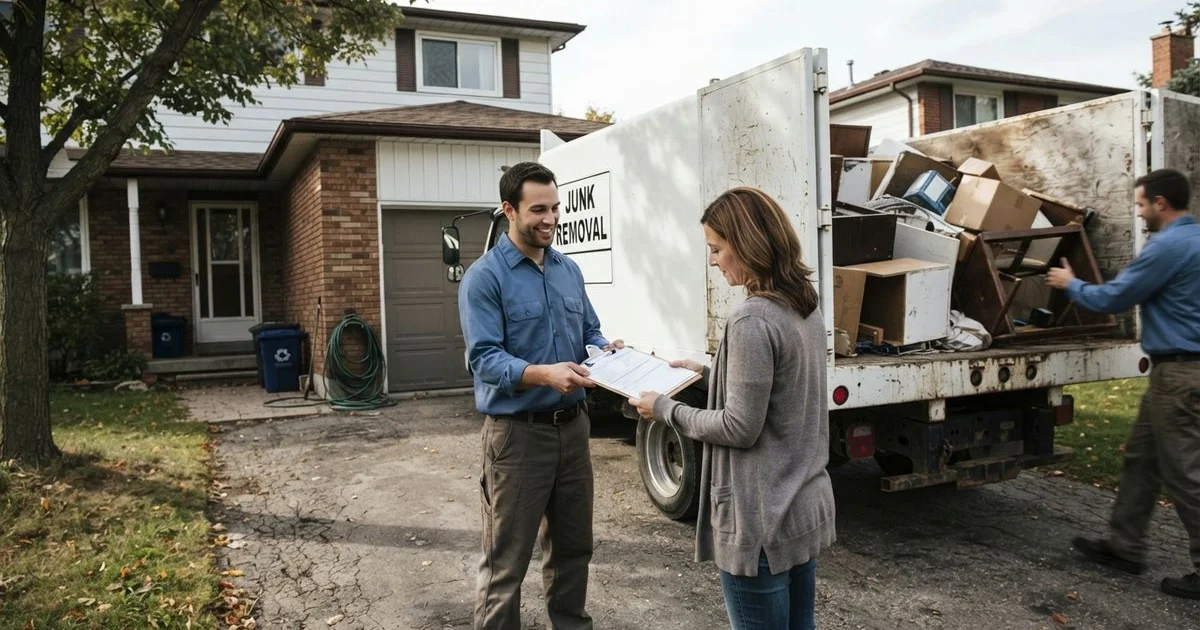
Most junk removal jobs finish without a hitch. But moving heavy furniture through tight hallways, down stairs, or across a manicured lawn carries real risk of damage, and insurance is what determines who absorbs the cost if something goes wrong.
What insurance actually protects
A general liability policy covers property damage the crew causes during the job, a scratched hardwood floor, a dented door frame, a cracked driveway from a heavy load. It also typically covers a scenario where a worker is injured on your property. Without it, the cost of a damage claim falls on whoever is willing to pay, which in practice often means you, since pursuing an uninsured company for compensation can be a long and uncertain process.
Insurance and WSIB are two different things
These get confused often enough to be worth separating clearly. General liability insurance protects you and your property. WSIB (Workplace Safety and Insurance Board) coverage protects the company’s own workers if they’re hurt while working, and confirms the company has met its legal obligations as an employer in Ontario. A company can technically carry one without the other, so asking about both matters if you want full peace of mind, not just partial coverage.
| Coverage type | Protects | Document to ask for |
|---|---|---|
| General liability insurance | Your property and third-party claims | Certificate of insurance |
| WSIB coverage | The company’s own workers | WSIB clearance certificate |
How to actually verify it
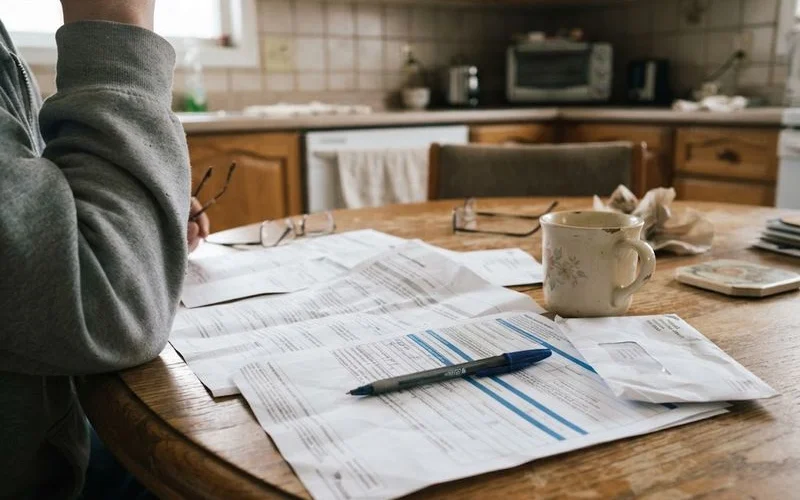
The simplest ask is direct: request a certificate of insurance before the job. A legitimate, established company can produce this quickly, sometimes it’s already listed on their website, and won’t treat the question as unusual. Hesitation, vague answers, or a refusal to provide documentation is itself useful information. The same goes for a WSIB clearance certificate if you’re hiring for a larger job with multiple workers on-site.
Why this connects to how a job actually goes
Reviewers who report a smooth experience consistently describe crews as professional and careful, particularly around navigating stairs, doorways, and tight spaces. That carefulness tends to correlate with companies that operate as properly licensed, insured businesses rather than informal operations, since insurance requirements often push a company toward more consistent training and equipment. It’s not a guarantee, but it’s a reasonable signal worth weighing alongside reviews.
Questions worth asking before you book
A short conversation before booking covers most of what matters: whether the company carries general liability insurance and can provide proof, whether workers are covered under WSIB, and what happens procedurally if something is damaged during the job. A company with clear, confident answers to all three is generally a safer bet than one that deflects. If you’re clearing out a rental unit after a tenant leaves, the rules on abandoned tenant belongings in Ontario affect what you can dispose of and when, separate from any insurance question with the crew you hire.
What to do if something is damaged
Even with an insured company, damage during a job isn’t always handled smoothly unless you document it well. Taking a few photos of the space before the crew starts, particularly flooring, doorways, and any tight spots the job will pass through, gives you something concrete to compare against if a dispute comes up afterward. If damage does happen, report it to the company immediately rather than after the crew has left, and ask how their insurance claim process works before agreeing that the job is complete.
A word on price versus risk
An uninsured or informal operator sometimes quotes a lower price, and for a very small, low-risk job, like a single light item on a ground floor, that gap in coverage may matter less. For anything involving stairs, tight spaces, or items that could damage flooring or walls, the potential cost of an uninsured mistake tends to outweigh whatever was saved on the quote. Weighing the size and risk of the job against the price difference is a reasonable way to decide how much insurance should factor into your choice.
Our scoring method weighs professionalism and reliability signals alongside review sentiment, which is one more way to screen for this before you call. Browse vetted options across the full Ontario Junk Removal Directory to compare providers before booking.
Questions people ask
- What does junk removal insurance actually cover?
- General liability coverage protects you if a crew damages your property, like a scratched floor or a dented wall, or if a worker is injured on your property during the job.
- How do I confirm a company is actually insured?
- Ask for a certificate of insurance, a document their insurer issues showing active coverage. A legitimate company can produce this without hesitation, often by email before the job.
- Is insurance the same as WSIB coverage?
- No. General liability insurance covers property damage and third-party claims. WSIB (Workplace Safety and Insurance Board) coverage protects the company's own workers if they're injured on the job, and both matter for different reasons.
- Does hiring an uninsured company always go wrong?
- Not always, most jobs finish without incident either way. But if something does go wrong, an uninsured company has no structured way to cover the cost, which usually means the dispute lands entirely on you.