Staying safe during a DIY renovation debris cleanout
By Clara Larsen · Updated 2026-08-18
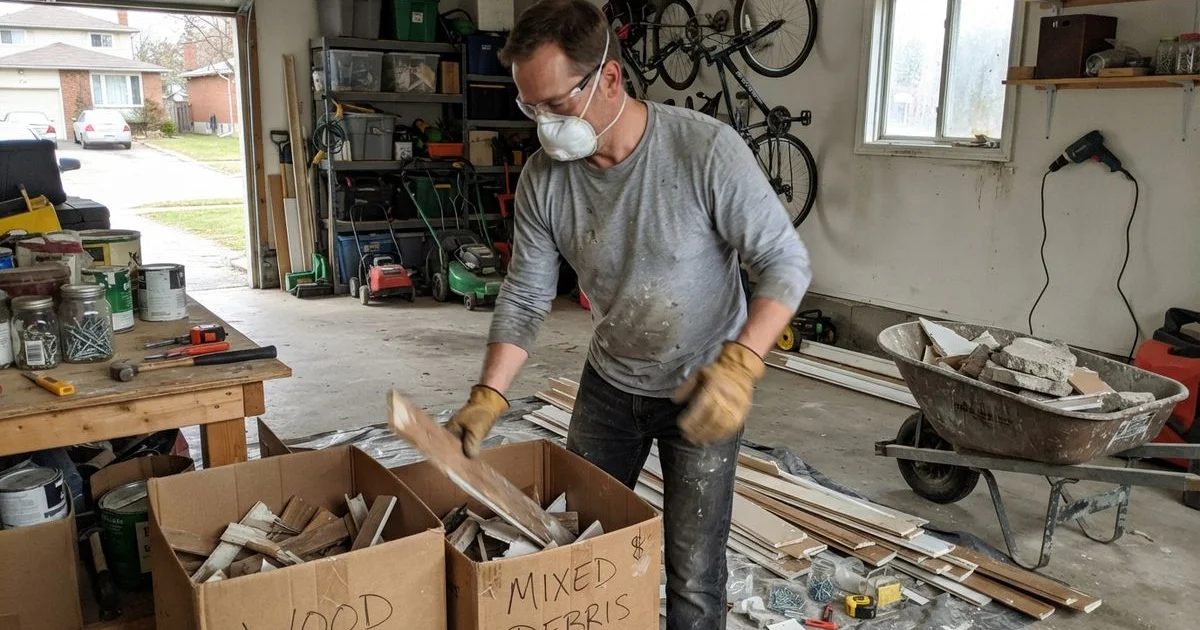
This is general safety information, not a substitute for professional guidance on your specific renovation. If you suspect hazardous material or a structural concern, stop and consult a qualified professional before continuing.
Clearing renovation debris yourself can save real money, but it comes with genuine physical and material risks that are easy to underestimate when you’re focused on getting the job done.
Lifting is the most common injury source
Renovation debris, drywall, tile, lumber, is often heavier and more awkward than it looks. Back and joint injuries from improper lifting are one of the most common ways a DIY cleanout goes wrong. Basic form matters more than most people expect: bend at the knees rather than the back, keep loads close to your body, and don’t twist while carrying something heavy. If a piece is genuinely too heavy or awkward for one person, get a second set of hands rather than pushing through it alone.
Dust and airborne material
Cutting, breaking, or moving drywall, concrete, and tile generates fine dust that’s uncomfortable to breathe and, over repeated exposure, a real respiratory concern. A properly rated dust mask or respirator, not just a basic surgical-style mask, makes a meaningful difference here, along with working in a ventilated space when possible.
The asbestos question in older homes
This is the risk most likely to be missed entirely. Homes built or last renovated before the 1990s have a real chance of containing asbestos in insulation, certain flooring adhesives, textured ceiling finishes, or old pipe wrapping. Disturbing this material without knowing releases fibres that pose a genuine long-term health risk. If you’re opening up walls, removing old flooring, or working in an older home and you’re not certain what you’re dealing with, pausing for a professional assessment before continuing is the safer call, even if it means slowing the project down.
| Hazard | Risk | Basic precaution |
|---|---|---|
| Heavy lifting | Back or joint injury | Proper lifting form, get help for heavy pieces |
| Dust and debris | Respiratory irritation | Rated dust mask or respirator, ventilation |
| Sharp edges (tile, metal) | Cuts | Sturdy gloves, closed-toe boots |
| Suspected asbestos or hazardous material | Long-term health risk | Stop, get a professional assessment |
Basic protective gear worth having on hand
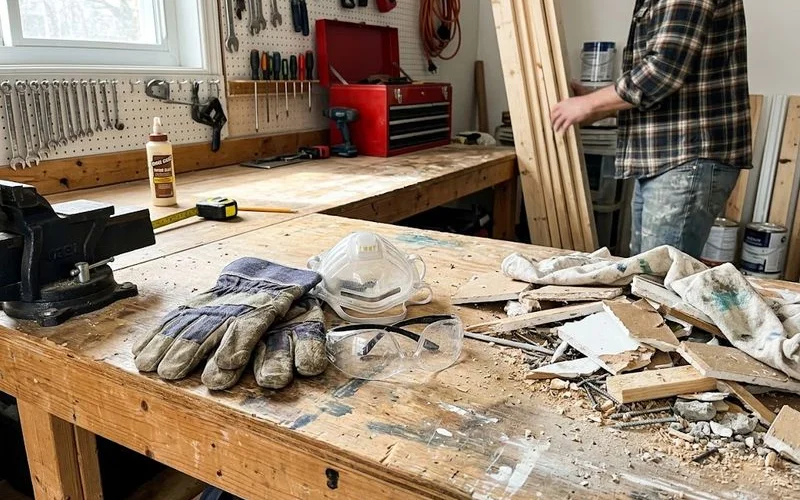
Sturdy work gloves, closed-toe boots (steel-toe if you’re moving anything heavy), safety glasses, and a properly rated dust mask cover most of what a typical DIY cleanout needs. It’s a modest upfront cost against a real reduction in injury risk, and none of it requires special training to use correctly.
Knowing when to call it
A DIY cleanout is a reasonable choice for a manageable volume of ordinary debris. It stops being the right call the moment you find material you suspect is hazardous, the volume becomes more than you can move safely, or the job starts touching anything structural. None of those are worth pushing through solo to save a bit of money.
Vehicle and loading safety
If you’re hauling debris yourself rather than using a bin, how you load a truck or trailer matters too. Overloading a vehicle beyond its rated capacity affects handling and braking, and debris that isn’t secured can shift or fall during transport. Distributing weight evenly, keeping the load below the vehicle’s stated limit, and securing anything that could shift are basic steps that prevent a second problem from stacking on top of the physical work of the cleanout itself.
Pacing the work over multiple days
Trying to clear a large volume of debris in a single exhausting session is when a lot of injuries happen, simply from fatigue affecting form and judgment later in the day. Breaking a bigger cleanout into a few sessions across different days, rather than pushing through everything at once, keeps you working at a pace where proper lifting technique and basic caution stay easier to maintain.
If you decide the job is bigger than planned, browse professional help in the demolition and renovation debris category on the Ontario Junk Removal Directory, and see our scoring method for how we evaluate the companies listed there.
Questions people ask
- What's the biggest safety risk in a DIY renovation cleanout?
- Two stand out: back and joint injuries from improper lifting of heavy debris, and exposure to hazardous material like dust, mould, or suspected asbestos in older homes.
- How do I know if my home might have asbestos?
- Homes built or renovated before the 1990s are more likely to contain asbestos in insulation, flooring, or textured ceilings. If you're unsure and opening up walls or removing flooring, a professional assessment before DIY work is the safer route.
- What protective gear is actually necessary?
- Sturdy gloves, closed-toe boots, and a properly rated dust mask or respirator for dusty material are the basics. Eye protection matters too, especially when breaking down drywall or tile.
- When should I stop and call a professional instead?
- If you find material you suspect is hazardous, if the volume is more than you can safely move alone, or if the debris involves anything structural, that's the point to bring in a professional rather than continuing solo.